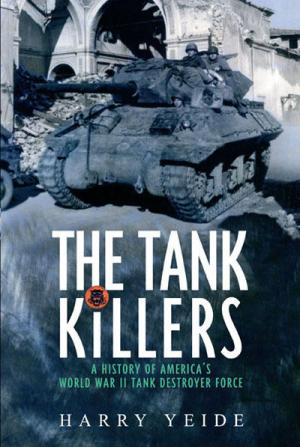
The Tank Killers is the story of the American Tank Destroyer Force in North Africa, Italy, and the European Theater during World War II. The tank destroyer (TD) was a bold—if some would say flawed—answer to the challenge posed by the seemingly...
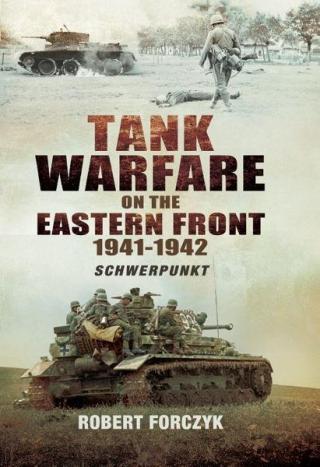
The German panzer armies that swept into the Soviet Union in 1941 were an undefeated force that had honed their skill in combined arms warfare to a fine edge. The Germans focused their panzers and tactical air support at points on the battlefield...
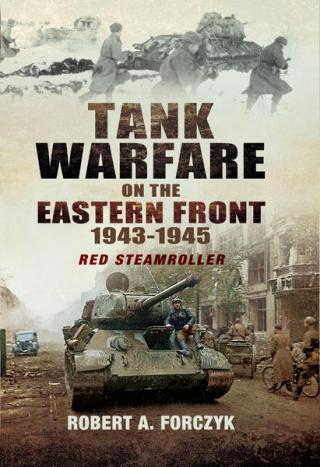
By 1943, after the catastrophic German defeat at Stalingrad, the Wehmacht’s panzer armies gradually lost the initiative on the Eastern Front. The tide of the war had turned. Their combined arms technique, which had swept Soviet forces before it...
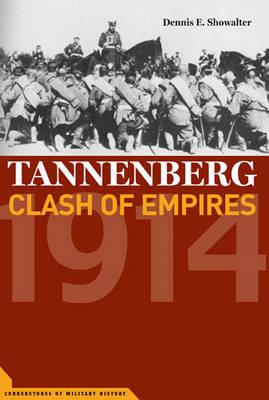
The battle of Tannenberg (August 27–30, 1914) opened World War I with a decisive German victory over Russia—indeed the Kaiser’s only clear-cut victory in a non-attritional battle during four years of war. In this first paperback edition of the...
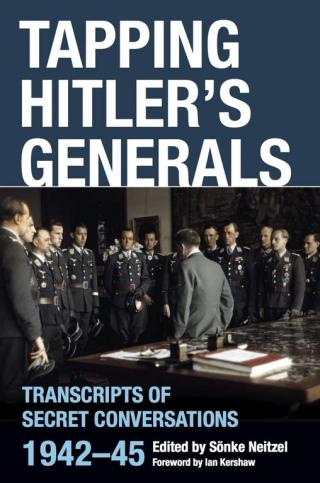
‘A goldmine of information about what the German High Command privately thought of the war, Adolf Hitler, the Nazis and each other’.
– Andrew Roberts
‘One of the most important books on World War II to be published in the last...
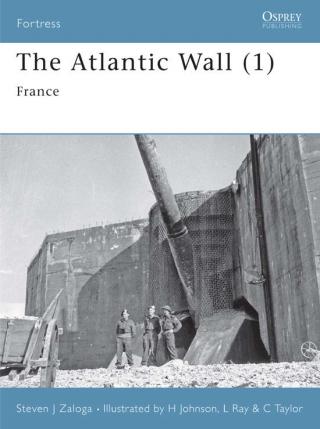
In 1942, with Germany’s gradual loss of the strategic initiative to the Allies, Hitler was forced to construct an impenetrable wall of fortifications along the Atlantic and Mediterranean coast. However, Hitler’s grandiose Atlantic wall scheme...
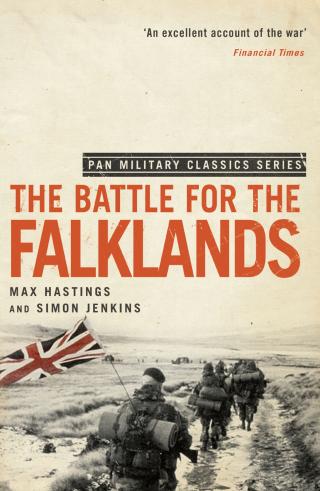
The Falklands War was one of the strangest in British history – 28,000 men sent to fight for a tiny relic of empire 8,000 miles from home. At the time, many Britons saw it as a tragic absurdity, but the British victory confirmed the quality of...
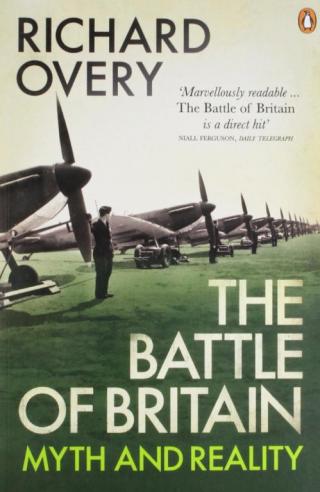
Tells the story of one of the pivotal events of the WWII – the struggle between British and German air forces in the late summer and autumn of 1940. This book answers such questions as: how close did Britain really come to invasion; what were...
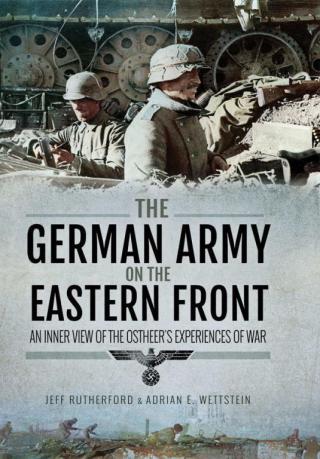
Histories of the German army on the Eastern Front generally focus on battlefield exploits on the war as it was fought in the front line. They tend to neglect other aspects of the army’s experience, particularly its participation in the racial war...
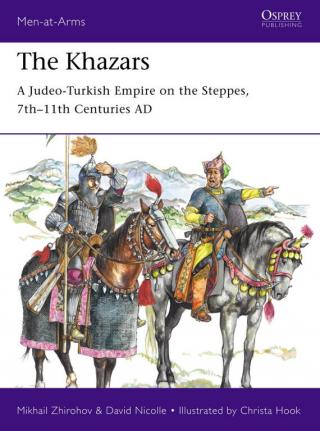
The Khazars were one of the most important Turkic peoples in European history, dominating vast areas of southeastern Europe and the western reaches of the Central Asian steppes from the 4th to the 11th centuries AD. They were also unique in that...