Roman par lettres sur le canevas desquelles courent les deux épisodes de Sainville et Léonore se ralliant au sujet; dans celle de Sainville se trouve la description réelle, et faite sur des mémoires certains, d'un pays au centre...
Roman par lettres sur le canevas desquelles courent les deux episodes de Sainville et Leonore se ralliant au sujet; dans celle de Sainville se trouve la description rielle, et faite sur des memoires certains, d'un pays au centre de l'Afrique,...
The tradition of ancient philosophy is a long, rich and varied one, in which the notes of discussion and argument constantly resound. This book introduces ancient debates, engaging us with the ancient developments of their themes. Moving away from...
The Apology is Plato’s version of the speech given by Socrates as he defended himself in 399 BCE against the charges of ‘corrupting the young, & by not believing in the gods in whom the city believes, but in other daimonia that are novel’...
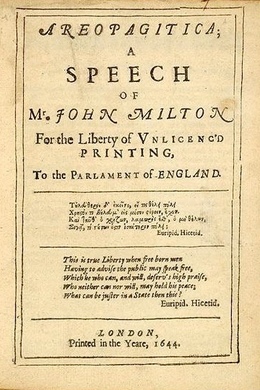
Areopagitica: A speech for the Liberty of Unlicensed Printing to the Parliament of England is John Milton’s famous tract against censorship. Named after a speech by Isocrates, a fifth century BC Athenian orator, the work is counted as one of the...
The influence of Aristotle, the prince of philosophers, on the intellectual history of the West is second to none. In this book, Jonathan Barnes examines Aristotle's scientific researches, his discoveries in logic and his metaphysical theories, his...
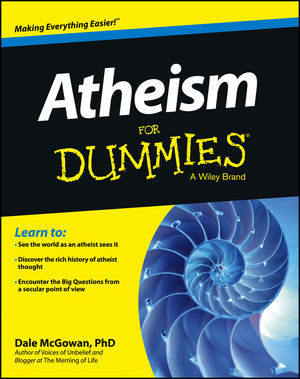
The easy way to understand atheism and secular philosophy
For people seeking a non-religious philosophy of life, as well as believers with atheist friends, Atheism For Dummies offers an intelligent exploration of the historical and moral case for...
A scathing and powerful critique of philosophy, religion and science. Here Nietzsche presents us with problems and challenges that are as troubling as they are inspiring, while at the same time outlining the virtues, ideas, and practices which will...