The Tao Te Ching was written in China roughly 2,500 years ago at about the same time when Buddha expounded the Dharma in India and Pythagoras taught in Greece. The Tao Te Ching is probably the most influential Chinese book of all times. Its 81...
From bestselling authors of *The Daily Stoic* - an inspiring guide to the lives of Stoicism's greatest practitioners
**'At a time when public nobility is hard to come by, this is a good reminder of the power of ethical leadership.' -** Kirkus...
Voltaire once said that “An Essay on Man” is “the most sublime didactic poem ever written in any language” (later however, he renounced his admiration for it). Rousseau rhapsodized about its intellectual consolations. Kant recited long...
These four dialogues enact the trial and execution of Socrates, presenting a dialectical process that shows not only why the Athenians condemned him to death but, much more to the point, the reason why Socrates lived and devoted himself to examining...
The Apology is Plato’s version of the speech given by Socrates as he defended himself in 399 BCE against the charges of ‘corrupting the young, & by not believing in the gods in whom the city believes, but in other daimonia that are novel’...
Nietzsche’s most controversial, and probably his most important work. The concepts that “God is Dead” and “Eternal Recurrence” with their attendant ramifications are major features of this work. Highly original and inventive, part...
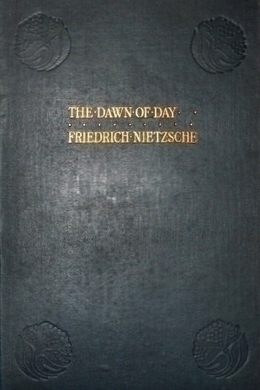
When Nietzsche called his book The Dawn of Day, he was far from giving it a merely fanciful title to attract the attention of that large section of the public which judges books by their titles rather than by their contents. The Dawn of Day...
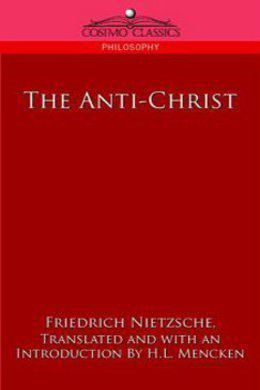
This work is both an unrestrained attack on Christianity and a further exposition of Nietzsche’s will-to-power philosophy so dramatically presented in Zarathustra. Christianity, says Nietzsche, represents “everything weak, low, and botched; it...
![Dao De Jing [Tao Te Ching]](https://www.rulit.me/kotha/images/nocover.jpg)

![Lives of the Stoics: The Art of Living From Zeno to Marcus Aurelius [calibre 5.27.0]](https://www.rulit.me/data/programs/images/lives-of-the-stoics-the-art-of-living-from-zeno-to-marcus-au_746368.jpg)