The first full account of the government-sanctioned genocide of California Indians under United States rule
Between 1846 and 1873, California’s Indian population plunged from perhaps 150,000 to 30,000. Benjamin Madley is the first historian to...
A reprint of the 1953 University of Illinois Press edition, itself translated from the 1952 German edition (Das Marsprojekt, Bechtle Verlag, Esslingen). A forward look at interplanetary space flight, based on von Braun's experience working first for...
Under certain conditions, some rumours, which were established as part of folklore already long ago, may become fixed in the memory and the subconscious of several generations. This is what happened with the rumour about a human sausage factory...
This book compares the various aspects – political, military economic – of Soviet occupation in Austria, Hungary and Romania. Using documents found in Austrian, Hungarian, Romanian and Russian archives the authors argue that the nature of Soviet...
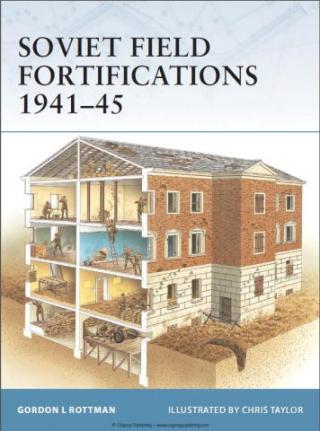
From June 1941, the Soviets were forced to undertake large-scale defensive operations in the face of the overwhelming German blitzkrieg assault, operations which ran counter to their preference for highly mobile, offensive warfare. Lessons were...
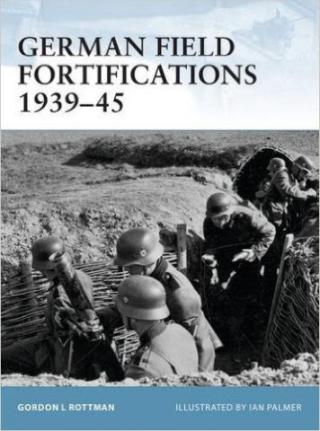
The German Army of World War II considered itself an offensive, mobile force. The experiences in the trenches in World War I had done much to shape its concept of field fortification, and its mobile warfare ethos was intended to prevent the previous...
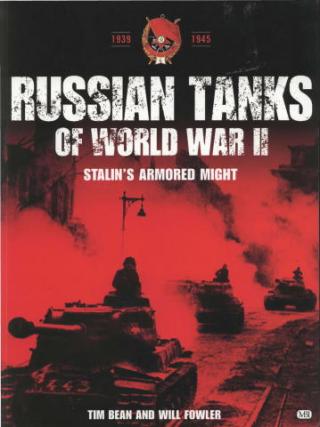
Russian Tanks of World War II is an authoritative history of Soviet armoured forces before 1945, detailing their development, tactics and equipment from the early days of the tank arm in the 1920s, through the purges of the late 1930s and the German...
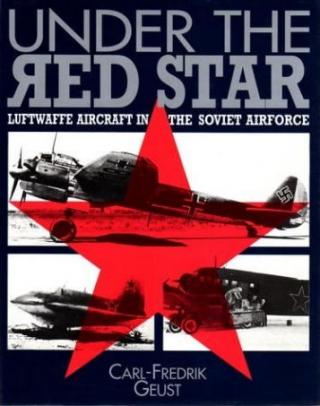
This book is based on both Soviet and German records and tells the story of the extent to which Soviet forces used German aircraft during World War II. As well as the German aircraft purchased after the signature of the Ribbentrop-Molotov pact in...
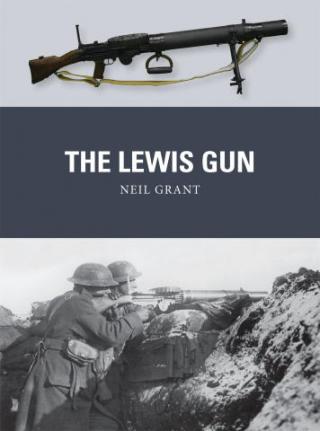
During World War I, the British adopted the US-designed Lewis gun as an infantry weapon, realizing that its light weight and the fact that it could be fired both prone and on the move made it ideal for supporting advances and defending captured...