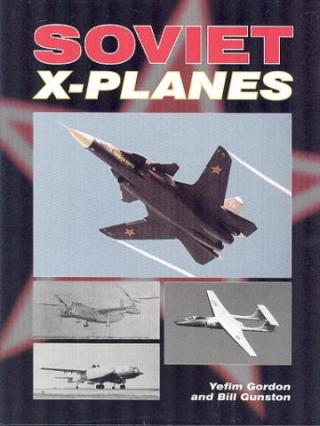
This is the first book to collect stories of the most important Soviet aircraft, including experimental machines from the early 1900s through to the latest Russian prototypes of today. About 150 types are described, each with data and many with...
In ‘Spies in the Sky' Patrick Norris responds to the occasion of the 50th Anniversary of the dawn of the Space Age – the launch of Sputnik 1 – with a review of the most important historical applications of space science for the benefit of the...
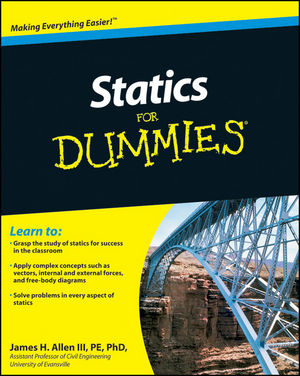
The fast and easy way to ace your statics course
Does the study of statics stress you out? Does just the thought of mechanics make you rigid? Thanks to this book, you can find balance in the study of this often-intimidating subject and ace even the...
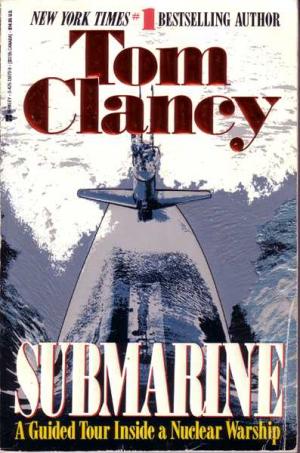
Only the author of The Hunt for Red October could capture the reality of life aboard a nuclear submarine. Only a writer of Clancy’s magnitude could obtain security clearance for information, diagrams, and photographs never before available to the...
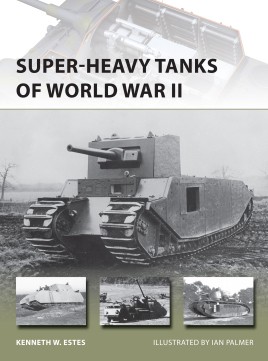
The super-heavy tanks of World War II are heirs to the siege machine tradition - a means of breaking the deadlock of ground combat. As a class of fighting vehicle, they began with the World War I concept of the search for a ‘breakthrough' tank,...
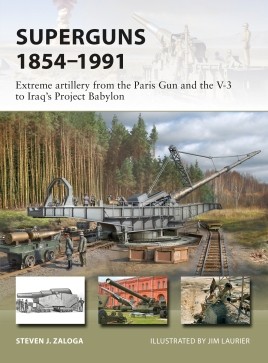
Over the last 150 years, gun designers have sought to transform warfare with artillery of superlative range and power, from William Armstrong's 19th-century "monster guns” to the latest research into hypersonic electro-magnetic railguns.
Taking a...