Adopted in 1938 and remaining in British service until 1991, the popular and reliable Bren was an iconic light machine gun, and arguably the most recognizable Commonwealth weapon of World War ll. Gas-operated and magazine-fed, it was based on a...
Here in this critical guide is all the important foraging techniques that you’ll need to know in order to survive in just about any situation. From selecting edible berries to trapping small game, The Complete U.S. Army Survival Guide to Foraging...
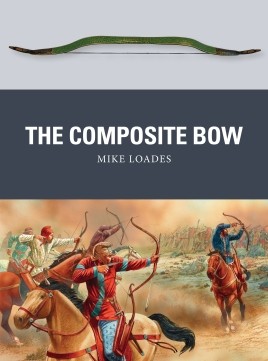
An ancient design, emerging from Central Asia in the second millennium BC, the composite bow was adopted by a staggering variety of cultures, from nomadic tribal peoples such as the Huns, Turks and Mongols, to mighty empires such as the Romans,...
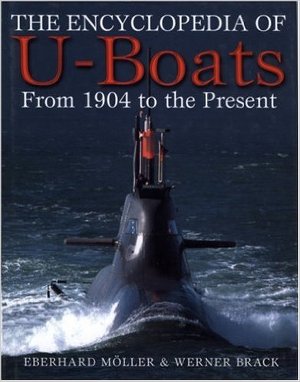
On the eve of World War I, the art of submarine warfare was barely a dozen years old; no nation had submarine-qualified officers serving at the senior staff level and no nation had developed any method for detecting submarines, or attacking them if...
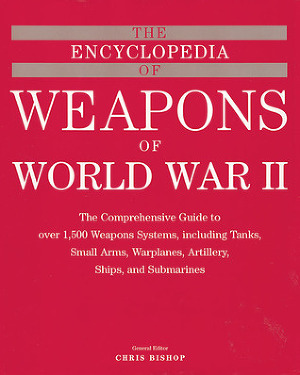
A lavishly illustrated compendium of military hardware covers everything that fought in the air, on the ground, and on the seas during World War II. There are more than 500 separate items of equipment used between 1939 and 1945, from combat handguns...
Based on exclusive interviews with senior Pentagon officials and previously unseen declassified documents, this is the definitive history of the Defense Advanced Research Projects Agency--the Pentagon agency that has quietly shaped war and...
Jagdgeschwader 26 was one of only two German units to remain on the Western front for the entire war. Its rise and fall mirrors the history of the German Air Force. This book gives a chronology of the unit's activities, using documentary sources,...
Between May 1944 and May 1945, the Luftwaffe declined from a resilient force, eagerly waiting to use new aircraft and weaponry, to a destroyed air arm. This study focuses on this period, showing how close the German air force was to...
The Lee-Enfield is one of the 20th century's most recognisable and longest-serving military rifles. It was adopted by the British Army in 1895 and only replaced by the L1A1 SLR in 1957. It saw combat from the Boer War onwards, and thousands are...
During World War I, the British adopted the US-designed Lewis gun as an infantry weapon, realizing that its light weight and the fact that it could be fired both prone and on the move made it ideal for supporting advances and defending captured...