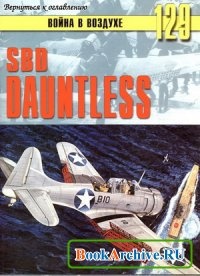
Douglass SBD Dauntless - Дуглас Даунт-лесс, «медленный, но смертельно опасный» («Slow But Deadly») - такое прозвище получил этот самолет, был без сомнения...
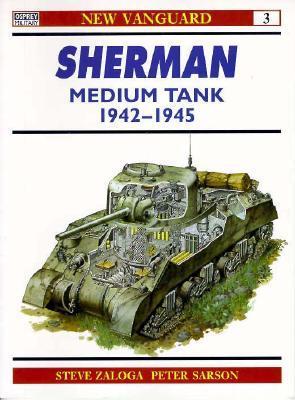
The M4 Sherman tank was the mainstay of the Western allies between 1942 and 1945. Fast and modern it was better than most of the tanks Britain had to offer. The American Chief of Staff claimed in November 1943 that it had been hailed widely as...
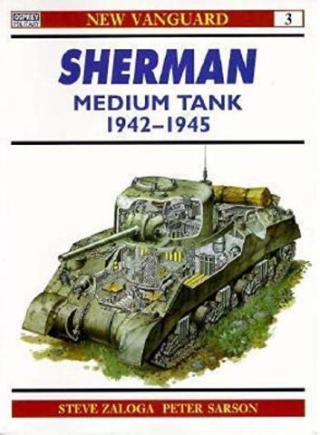
The M4 Sherman tank was the mainstay of the Western allies between 1942 and 1945. Fast and modern it was better than most of the tanks Britain had to offer. The American Chief of Staff claimed in November 1943 that it had been hailed widely as 'the...
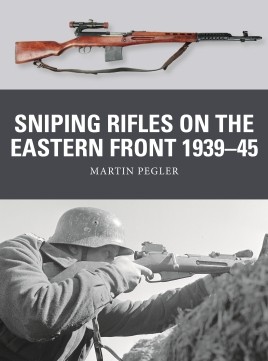
The Soviet Union had developed a significant sniping force by 1939, but the extraordinary skill and cunning displayed by Finnish snipers during the Winter War forced the Soviets to innovate. On the other side, German sniping suffered from a lack of...
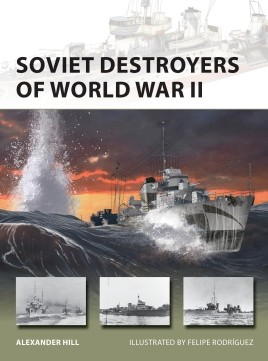
The Soviet Navy that faced the German onslaught in 1941 boasted a mixture of modern warships, often built with foreign technical assistance, and antiquated warships from the Tsarist era that were modernised for the conflict.
Some Soviet naval...