Michelangelo di Lodovico Buonarroti Simoni (6 March 1475 – 18 February 1564), commonly known as Michelangelo, was an Italian sculptor, painter, architect, poet, and engineer of the High Renaissance who exerted an unparalleled influence on the...
Pop art is an art movement that emerged in the mid-1950s in Britain and in the late 1950s in the United States. Pop art presented a challenge to traditions of fine art by including imagery from popular culture such as advertising, news, etc. In...
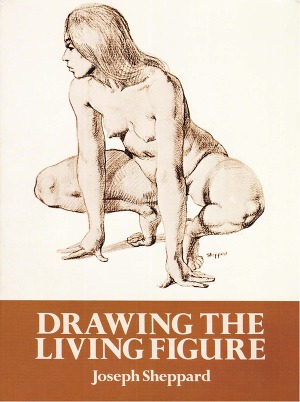
This innovative approach focuses upon the specifics of surface anatomy. 177 of Sheppard's drawings show many different live models in front, back, and side views, and in various standing, sitting, kneeling, crouching, reclining, and twisting...
Alchemy has had a long standing relationship with art, seen both in alchemical texts and in mainstream entertainment. Literary alchemy appears throughout the history of English literature from Shakespeare to modern Fantasy authors....
Giovanni Boldini (Ferrara, Italy; 31 December 1842 – Paris, France; 11 July 1931) was an Italian genre and portrait painter. According to a 1933 article in Time magazine, he was known as the "Master of Swish" because of his flowing style of...
Giotto di Bondone (1266/7 – January 8, 1337), known as Giotto, was an Italian painter and architect from Florence in the late Middle Ages. He is generally considered the first in a line of great artists who contributed to the Italian...
Andrea Palladio (30 November 1508 – 19 August 1580) was an Italian architect active in the Republic of Venice. Palladio, influenced by Roman and Greek architecture, primarily by Vitruvius, is widely considered the most influential...
Andrea Mantegna ( c. 1431 – September 13, 1506) was an Italian painter, a student of Roman archeology, and son in law of Jacopo Bellini. Like other artists of the time, Mantegna experimented with perspective, e.g., by lowering the horizon in...