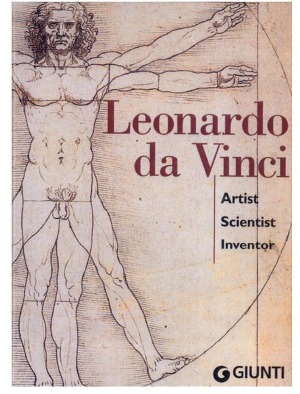
This is a stunningly illustrated survey of Leonardo (1452-1519) as artist, scientist, and inventor. This engrossing study of the man who painted the "Mona Lisa", was a student of anatomy, and inventor of machines of war, cannot fail to...
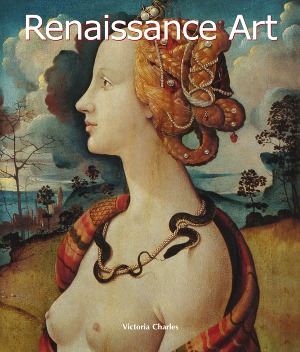
The Renaissance began at the end of the 14th century in Italy and by the second half of the 16th century has extended across the whole of Europe. The rediscovery of the splendour of ancient Greece and Rome marked the beginning of the rebirth of...
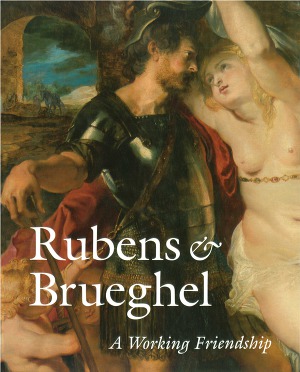
Rubens and Brueghel: A Working Friendship is the first international loan exhibition devoted to the artists’ collaborative works and an investigation of their working methods. Assembled here are some of the most important...
Latin poetry begins where almost all poetry begins—in the rude ceremonial of a primitive people placating an unknown and dreaded spiritual world. The earliest fragments are priestly incantations. In one of these fragments the Salii placate...
The Arabs during a thousand years or more produced one of the richest and most extensive literatures of the world, embracing fine poetry (of the fierce desert life equally with the sophistication of royal courts), belles lettres (learned essays,...
Dispelling myths, answering questions, and stimulating thoughtful avenues for further inquiry, this highly absorbing reference provides a wealth of specific information about over 200 North American Indian groups in Canada and the United States....
Systematically confronting Greek tradition of the Heroic Age with the evidence of both linguistics and archaeology, Margalit Finkelberg proposes an interdisciplinary assessment of the ethnic, linguistic and cultural situation in Greece in the...
First published in 1935, The Crow Indians offers a concise and accessible introduction to the nineteenth-century world of the Crow Indians. Drawing on interviews with Crow elders in the early twentieth century, Robert H. Lowie showcases many...