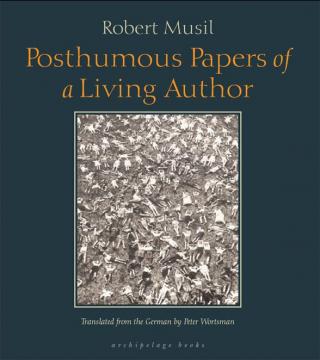
Posthumous Papers of a Living Author (1936) collects together short prose and fiction, almost all written between 1920 and 1929, under the headings 'Pictures', 'Ill-tempered Observations' and 'UnStorylike Stories'. It is Musil's most accessible...
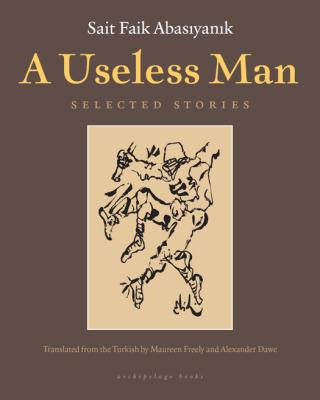
Sait Faik Abasiyanik was born in Adapazari in 1906 and died of cirrhosis in Istanbul in 1954. He wrote twelve books of short stories, two novels, and a book of poetry. His stories celebrate the natural world and trace the plight of iconic characters...
Edwin Muir wrote of Ivy Compton-Burnett in the Observer: 'Her literary abilities have been abundantly acknowledged by the majority of her literary contemporaries. Her intense individuality has removed her from the possibility of rivalry.. She takes...
The first edition of Dolores was published in 1911. It sold well, and was promptly forgotten. Now that her career of sixty years is ended, and her long achievement more and more acclaimed, Dolores, standing at that remote beginning, is curiously...
The Donne family's move to the country is inspired by a wish to be close to their cousins, who are to be their nearest neighbours. It proves too close for comfort, however. For a secret switching of wills causes the most genteel pursuit of...
At the centre of this novel stands Harriet Haslam, the epitome of the maternal power figure,whose genuine but overpowering love dominates the novel and whose self-knowledge drives her into insanity. Even after her death Harriet continues to...
Eleanor and Fulbert Sullivan live, with their nine children ranging from nursery to university age, in a huge country house belonging to Fulbert's parents, Sir Jesse and Lady Regan. Sir Jesse sends Fulbert, his only son, on a business mission to...
Sefton and his sister Clemence are dispatched to separate boarding schools. Their father's second marriage, their mother's economies, provide perfect opportunities for mockery, and home becomes a source of shame. More wretched is their mother's...
The Emperor’s Tomb — the last novel Joseph Roth wrote — is a haunting elegy to the vanished world of the Austro-Hungarian Empire, and a magically evocative paean to the passing of time and the loss of hope. The Emperor’s Tomb runs from 1913...
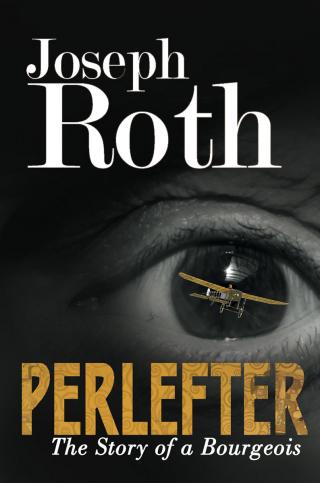
Now available for the first time in English, this important addition to the Roth canon is rich in irony and exemplary of Roth's keen powers of social and political observation.
A novel fragment that was discovered among Joseph Roth's papers...