Osprey's examination of jungle warfare tactics of World War II (1939-1945).Suffocating heat, tropical rain and hostile jungle terrain were but a few of the treacherous obstacles that confronted the Allies when they fought against the Imperial...
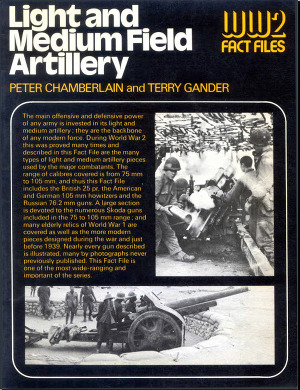
The main offensive and defensive power of any army is invested in its light and medium artillery; they are the backbone of any modern force. During World War 2 this was proved many times. In this book are descriptions of the many types of light and...
The uses of foliage, nets, and counter-shading, together with particular reference to colors and patterns used on all German and Allied vehicles in the West, are revealed. Includes information on unit codes, registration and serial numbers, tactical...
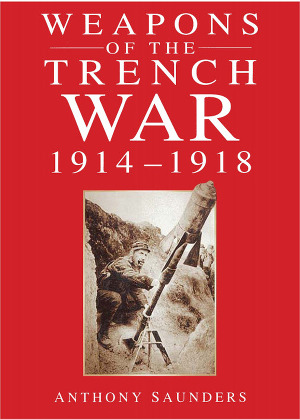
Before 1914, trench warfare was a type of fighting unforeseen by the armies of Britain, France and Germany, so none was equipped to fight it. Specialized weapons and equipment were needed for the violent environment of the trenches and these had to...
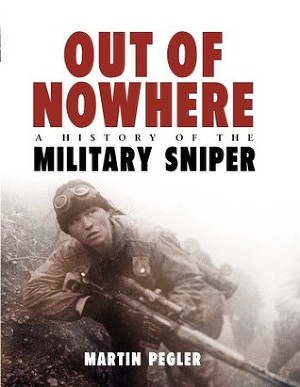
From the American Revolution to World War Two, the history of the military combat marksman is one of indifference, unpreparedness and cost cutting. Despite the proven effectiveness of the rifleman in battle, the sniper in the 20th century has been...
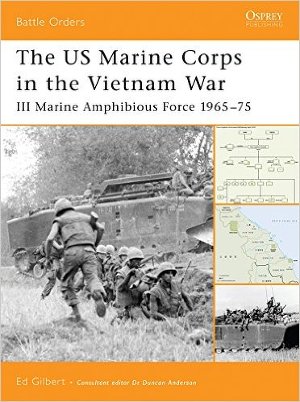
This book covers the US Marine Corps in the Vietnam War, centring on the structure and function of the two Fleet Marine Force (FMF) divisions and the corps command level, III Marine Amphibious Force (III MAF). This detailed examination of III MAF...
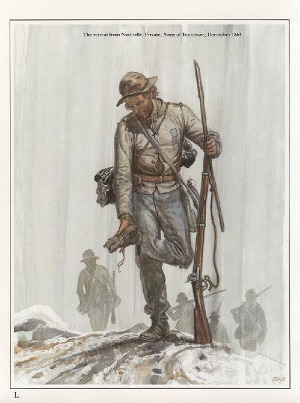
The American Civil War (1861-1865) was predominantly an infantryman's war. Artillery had improved substantially since 1815 and guns could inflict murderous losses if they had a clear field of fire. But most Civil War battlefields were characterised...