Voltaire once said that “An Essay on Man” is “the most sublime didactic poem ever written in any language” (later however, he renounced his admiration for it). Rousseau rhapsodized about its intellectual consolations. Kant recited long...
The tradition of ancient philosophy is a long, rich and varied one, in which the notes of discussion and argument constantly resound. This book introduces ancient debates, engaging us with the ancient developments of their themes. Moving away from...
The Apology is Plato’s version of the speech given by Socrates as he defended himself in 399 BCE against the charges of ‘corrupting the young, & by not believing in the gods in whom the city believes, but in other daimonia that are novel’...
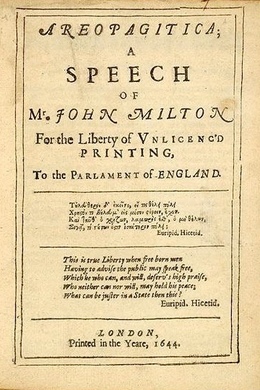
Areopagitica: A speech for the Liberty of Unlicensed Printing to the Parliament of England is John Milton’s famous tract against censorship. Named after a speech by Isocrates, a fifth century BC Athenian orator, the work is counted as one of the...
The influence of Aristotle, the prince of philosophers, on the intellectual history of the West is second to none. In this book, Jonathan Barnes examines Aristotle's scientific researches, his discoveries in logic and his metaphysical theories, his...
Roland Barthes was the leading figure of French Structuralism, the theoretical movement of the 1960s which revolutionized the study of literature and culture, as well as history and psychoanalysis. But Barthes was a man who disliked orthodoxies. His...
Most people believe that they were either benefited or at least not harmed by being brought into existence. Thus, if they ever do reflect on whether they should bring others into existence---rather than having children without even thinking about...