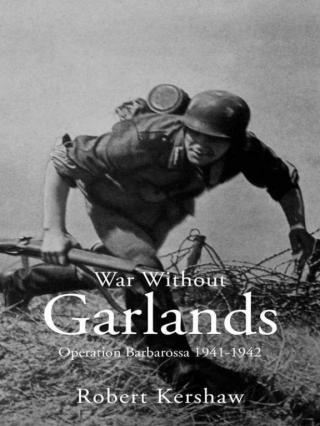
The German invasion of Russia in 1941 – Operation Barbarossa – was shrouded in the utmost secrecy. Using German sources, the author has investigated an important aspect of the pre-attack deception, the degree to which the German public and...
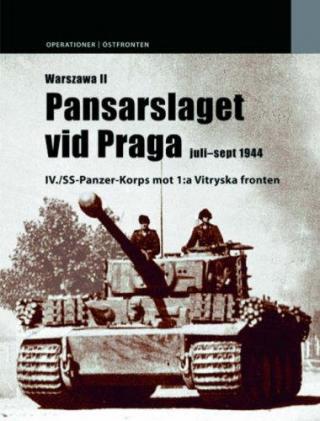
It is a common misunderstanding that the Red Army, on Stalin’s order, halted outside Warsaw in August 1944 to let the German troops suppress the Polish uprising in the capital. Joseph Stalin of course didn’t want to let a pro-British Polish...
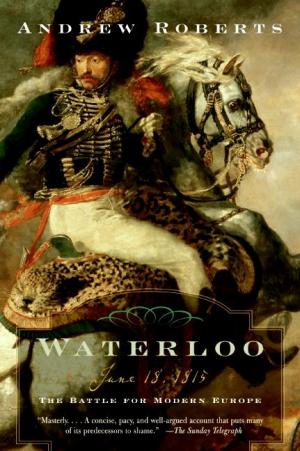
June 18, 1815, was one of the most momentous days in world history, marking the end of twenty-two years of French Revolutionary and Napoleonic Wars. On the bloody battlefield of Waterloo, the Emperor Napoleon and his hastily formed legions...
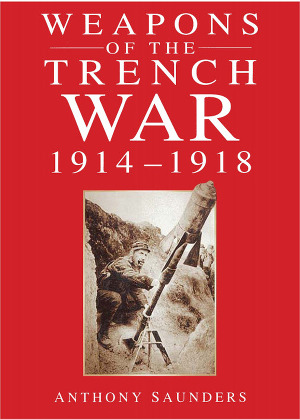
Before 1914, trench warfare was a type of fighting unforeseen by the armies of Britain, France and Germany, so none was equipped to fight it. Specialized weapons and equipment were needed for the violent environment of the trenches and these had to...
“In the past, for reasons I try to explain, I’ve often felt I had to be careful in public, like I was up on a wire without a net. Now I’m letting my guard down.”
—Hillary Rodham Clinton, from the introduction of What Happened
For...
For well over two hundred years we have lived in a western-made world, one where the very notion of being modern is inextricably bound up with being western. The twenty-first century will be different. The rise of China, India and the Asian...
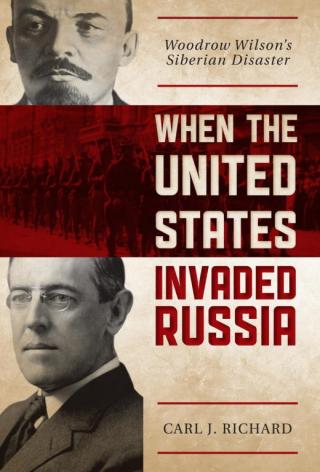
In a little-known episode at the height of World War I, President Woodrow Wilson dispatched thousands of American soldiers to Siberia. Carl J. Richard convincingly shows that Wilson’s original intent was to enable Czechs and anti-Bolshevik...
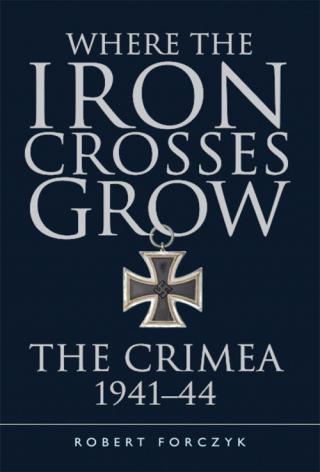
Nazi and Soviet armies fought over the Crimean Peninsula for three long years using sieges, dozens of amphibious landings, and large scale maneuvers. This definitive English-language work on the savage battle for the Crimea, Where the Iron Crosses...