Anyone wishing to understand the past, present and future of nuclear weapons should read this fine book before saying a word on the subject.
RICHARD PERLE, Resident Fellow, American Enterprise Institute and Assistant Secretary of...
The Soviet Union had developed a significant sniping force by 1939, but the extraordinary skill and cunning displayed by Finnish snipers during the Winter War forced the Soviets to innovate. On the other side, German sniping suffered from a lack of...
The Soviet Navy that faced the German onslaught in 1941 boasted a mixture of modern warships, often built with foreign technical assistance, and antiquated warships from the Tsarist era that were modernised for the conflict.
Some Soviet naval...
The Red Army suffered such catastrophic losses of armour in the summer of 1941 that they begged Britain and the United States to send tanks. The first batches arrived in late 1941, just in time to take part in the defence of Moscow. The supplies of...
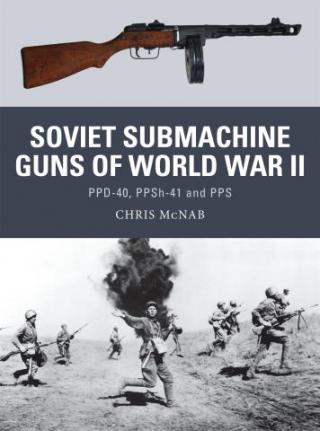
The submachine gun (SMG) came to be the embodiment of the Soviet fighting spirit during World War II. From 1943 the Red Army’s preference for close-quarters combat resulted in entire infantry units being equipped with nothing but SMGs. By...
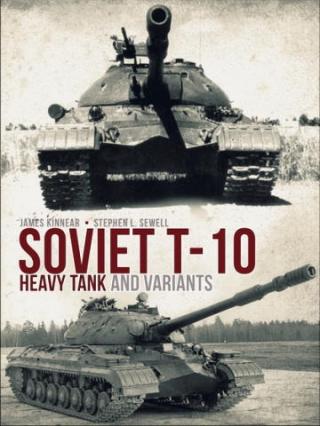
When it was introduced into service in 1953, the T-10 represented a return to the “classic” Soviet heavy tank. Although considered a major threat to NATO tank forces, it also represented the end of an era. All gun heavy tanks like the T-10 would...
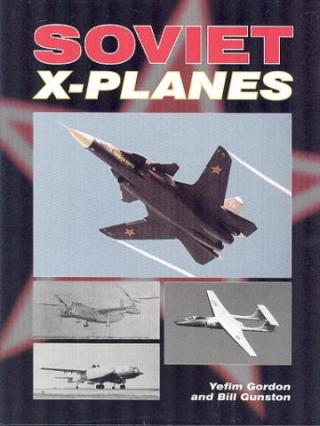
This is the first book to collect stories of the most important Soviet aircraft, including experimental machines from the early 1900s through to the latest Russian prototypes of today. About 150 types are described, each with data and many with...
In ‘Spies in the Sky' Patrick Norris responds to the occasion of the 50th Anniversary of the dawn of the Space Age – the launch of Sputnik 1 – with a review of the most important historical applications of space science for the benefit of the...