Since the outbreak of the Ukraine crisis, there has been much talk of a new Cold War between the West and Russia. Under Putin’s authoritarian leadership, Moscow is widely seen as volatile, belligerent and bent on using military force to get its...
In America, 2.3 million people—a population about the size of Houston’s, the country’s fourth-largest city—live behind bars. Sick Justice explores the economic, social, and political forces that hijacked the criminal justice system to create...
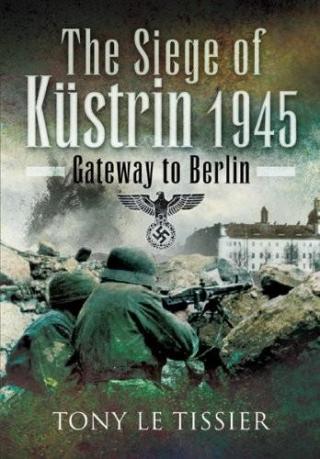
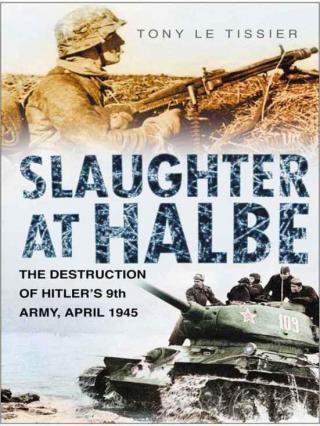
The unexpected arrival of Soviet troops at the end of January 1945 at the ancient fortress and garrison town of Küstrin came as a tremendous shock to the German High Command—the Soviets were now only 50 miles from Berlin itself. The Red Army...
Six Easy Pieces: Essentials of Physics Explained by Its Most Brilliant Teacher is a publishing first. This set couples a book containing the six easiest chapters from Richard P. Feynman’s landmark work, Lectures on Physics — specifically...
Does the light just go out and that’s that — the million-year nap? Or will some part of my personality, my me-ness, persist? What will that feel like? What will I do all day? Is there a place to plug in my laptop?” Mary Roach trains her...
Operation Berlin, the Soviet offensive launched on 16 April, 1945, by Marshals Zhukov and Koniev, isolated the German Ninth Army and tens of thousands of refugees in the Spreewald ‘pocket’, south-east of Berlin. Stalin ordered its encirclement...
Anyone wishing to understand the past, present and future of nuclear weapons should read this fine book before saying a word on the subject.
RICHARD PERLE, Resident Fellow, American Enterprise Institute and Assistant Secretary of...
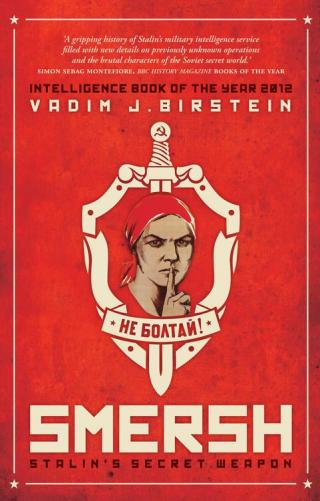
SMERSH is the award-winning account of the top-secret counterintelligence organisation that dealt with Stalin’s enemies from within the shadowy recesses of Soviet government.
As James Bond’s nemesis in Ian Fleming’s novels, SMERSH and...
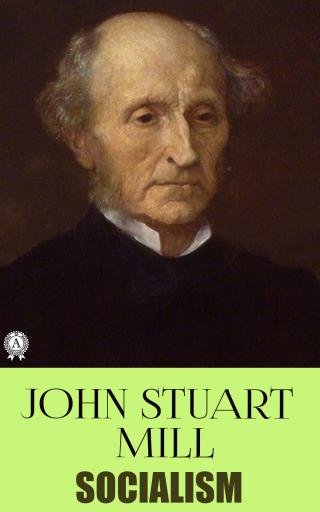
Mill is usually classified as one of liberalism’s most strident defenders. What is less well known, however, is that Mill became increasingly open to socialist forms of economic organisation in his later life — not least in his Chapters on...