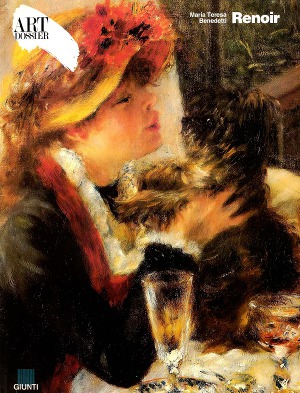
This publication is dedicated to Pierre-Auguste Renoir (1841-1919). He began as a decorator of pottery, but then moved to Paris, and he came into contact with the Impressionists exhibiting in major group exhibitions. A friend of Monet and Sisley,...
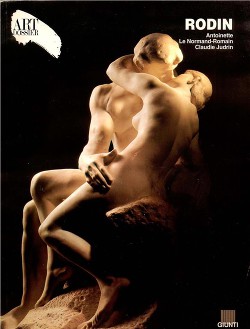
François-Auguste-René Rodin (12 November 1840 – 17 November 1917), known as Auguste Rodin, was a French sculptor. Although Rodin is generally considered the progenitor of modern sculpture, he did not set out to rebel against the past. He was...
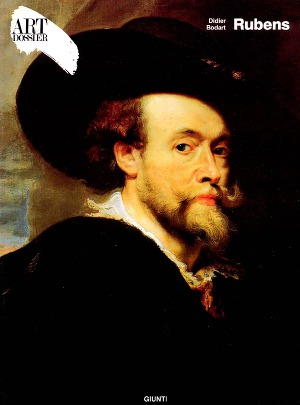
Sir Peter Paul Rubens 28 June 1577 – 30 May 1640, was a Flemish Baroque painter, and a proponent of an extravagant Baroque style that emphasised movement, colour, and sensuality. He is well known for his Counter-Reformation altarpieces,...
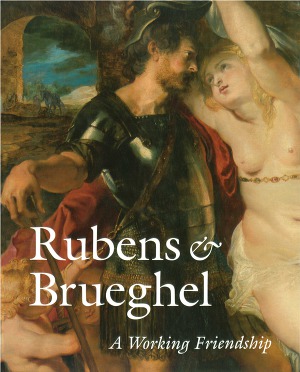
Rubens and Brueghel: A Working Friendship is the first international loan exhibition devoted to the artists’ collaborative works and an investigation of their working methods. Assembled here are some of the most important...
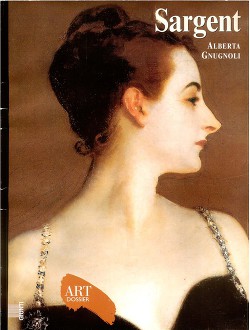
John Singer Sargent (January 12, 1856 – April 14, 1925) was an American artist, considered the "leading portrait painter of his generation" for his evocations of Edwardian era luxury. During his career, he created roughly 900 oil paintings and...
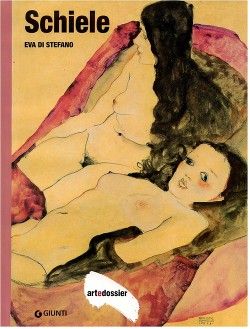
Egon Schiele (June 12, 1890 – October 31, 1918) was an Austrian painter. A protégé of Gustav Klimt, Schiele was a major figurative painter of the early 20th century. His work is noted for its intensity, and the many self-portraits the artist...
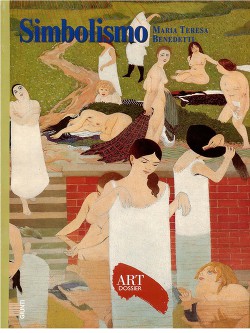
Symbolism was a late nineteenth-century art movement of French, Russian and Belgian origin in poetry and other arts. In literature, the style had its beginnings with the publication Les Fleurs du mal (The Flowers of Evil, 1857) by Charles...
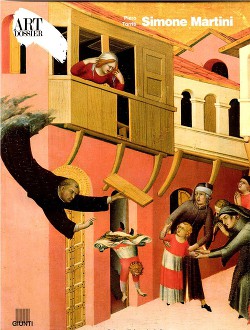
Simone Martini (c. 1284 – 1344) was an Italian painter born in Siena. He was a major figure in the development of early Italian painting and greatly influenced the development of the International Gothic style.
It is thought that Martini was a...
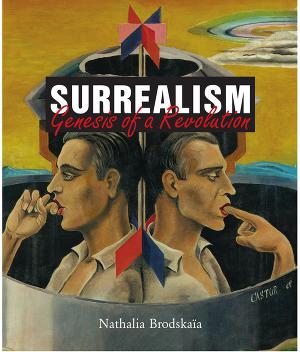
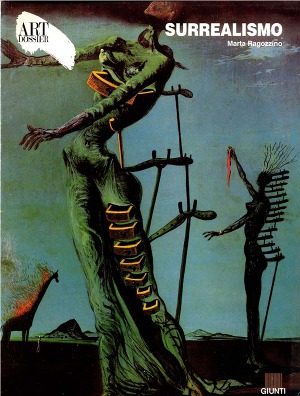
The Dada movement and then the Surrealists appeared in the First World War aftermath with a bang: revolution of thought, creativity, and the wish to break away from the past and all that was left in ruins. This refusal to integrate into the...
Surrealism is a cultural movement that began in the early 1920s, and is best known for its visual artworks and writings. The aim was to "resolve the previously contradictory conditions of dream and reality." Artists painted unnerving, illogical...